From Flop to Fame: 10 Movies That Bombed But Became Cult Classics
- Boxofficehype
- Nov 1, 2025
- 7 min read

In Hollywood, success is often measured in dollars. But now and then, a movie that fails spectacularly at the box office rises from the ashes to become a fan favorite. These are the films that critics dismissed, audiences ignored, and studios regretted—only for them to later find their audience, define a generation, or even reshape genres.
Welcome to BoxOfficeHype, where we celebrate not just the blockbusters but the legendary comebacks.
1. The Shawshank Redemption (1994)

Budget: $25 million • Box Office: $58 million
It’s hard to believe that one of the highest-rated movies on IMDb was once a box office disappointment. Released the same year as Pulp Fiction and Forrest Gump, The Shawshank Redemption got lost in the shuffle.
Poor marketing and a bleak prison setting didn’t help its initial run. But once it hit home video and cable television, word of mouth turned it into a modern masterpiece.
It didn’t make noise when it hit theaters — but The Shawshank Redemption made something even better: a lifelong emotional connection. People saw it years later and realized it wasn’t about prison; it was about hope, friendship, and freedom. That timeless message turned it from a quiet drama into one of the most universally loved films ever made.
🎬 Why It Worked Later: Viewers rediscovered its emotional depth on cable and home video. Its slow-burn storytelling aged like fine wine — comforting, inspiring, and endlessly quotable.
🎬 Lesson: Quality storytelling never dies — it just takes time for audiences to catch up.
2. Fight Club (1999)

Budget: $63 million • Box Office: $101 million
When Fight Club premiered, critics called it “toxic” and “irresponsible.” Audiences were confused, and the film fizzled. But when DVDs hit shelves, the underground fan base exploded.
The film’s rebellious themes and iconic quotes (“The first rule of Fight Club…”) became pop culture gospel. Today, Fight Club stands as a symbol of anti-establishment cinema.
When Fight Club first released, it felt too raw, too dangerous. But over time, people realized it wasn’t promoting chaos — it was criticizing conformity. The film’s bold themes about consumerism, masculinity, and identity resonated more in the digital age than in the late ’90s.
🎬 Why It Worked Later: As the internet grew, so did Fight Club’s fanbase. It became a counterculture symbol for every generation questioning “the system.”
🎬 Lesson: Sometimes, controversy is just misunderstood brilliance waiting for its moment.
3. Blade Runner (1982)

Budget: $30 million • Box Office: $41 million
Ridley Scott’s Blade Runner was visually stunning but narratively dense — and 1982 audiences just weren’t ready for it. Overshadowed by E.T. and Tron, it was dismissed as confusing and slow.
Decades later, multiple “director’s cuts” helped fans rediscover its brilliance. Now, it’s one of the most influential sci-fi films ever made, shaping everything from The Matrix to Cyberpunk 2077.
Initially seen as dull and confusing, Blade Runner later became the blueprint for modern sci-fi. Its world-building, neon visuals, and moral questions about humanity inspired decades of filmmakers.
🎬 Why It Worked Later: Fans and critics rewatched it with new eyes — discovering layers of meaning in every shadow and rain-soaked frame. It’s now considered the “godfather” of cyberpunk aesthetics.
🎬 Lesson: Visionary art often takes time to be appreciated.
4. The Big Lebowski (1998)

Budget: $15 million • Box Office: $46 million
The Coen Brothers’ offbeat comedy about “The Dude” confused audiences and critics alike. Too weird for mainstream crowds, it limped through theaters.
But then came DVDs, memes, and “Lebowski Fests” — global fan gatherings celebrating bowling, white Russians, and philosophical laziness. Now, The Dude abides in pop culture forever.
At first, audiences didn’t know what to make of “The Dude.” Too weird, too random. But over time, that weirdness became its strength. Fans related to its chaotic charm and philosophical nonsense — and The Big Lebowski became a lifestyle movie.
🎬 Why It Worked Later: Quotable lines, eccentric characters, and internet memes gave it new life. The film’s humor aged perfectly with time — not outdated, just endlessly rewatchable.
🎬 Lesson: Authenticity always finds its tribe — even if it takes years.
5. Donnie Darko (2001)

Budget: $6 million • Box Office: $7.5 million
Released weeks after 9/11, this eerie sci-fi drama about a troubled teen and a menacing rabbit was doomed by timing.
But once it hit DVD shelves, Donnie Darko became the poster child for early-2000s cult cinema — blending emo aesthetics, philosophy, and time travel into something unforgettable.
A moody, mind-bending drama with time travel, teenage angst, and existential dread — Donnie Darko was never meant for the mainstream. But when fans discovered it online, it became a cult obsession for those who saw beauty in confusion.
🎬 Why It Worked Later:It spoke to the early internet generation — lonely dreamers and deep thinkers. Its ambiguity invited theories, rewatches, and late-night discussions for decades.
🎬 Lesson: Timing can kill a release, but good storytelling can resurrect it online.
6. Scott Pilgrim vs. The World (2010)

Budget: $85 million • Box Office: $49 million
Edgar Wright’s comic-inspired explosion of music, love, and pixel art was too ahead of its time. Mainstream audiences didn’t get it, but gamers and comic fans did — just a few years later.
Now, Scott Pilgrim is adored by millennials and Gen Z, with Netflix even developing a full animated series revival.
Part video game, part rom-com, part rock concert — this movie was too ahead of its time. Audiences didn’t know what to expect, but in the streaming era, it found its rhythm with pop culture lovers who got its humor and heart.
🎬 Why It Worked Later: Its comic-book visuals and soundtrack aged beautifully in the digital world. Every frame felt like fan art before fan culture exploded online.
🎬 Lesson: Culture eventually catches up to creativity.
7. Office Space (1999)
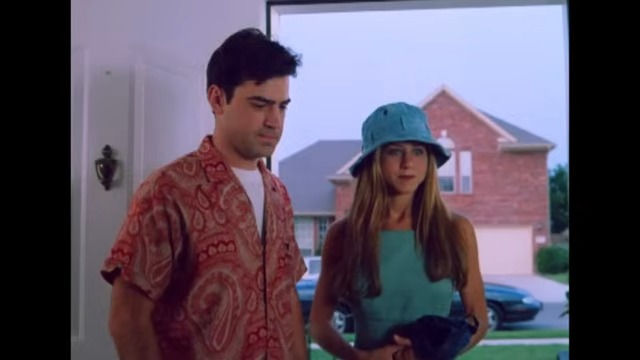
Budget: $10 million • Box Office: $12 million
No one expected a movie about bored office workers to make history — and at first, it didn’t. Mis-marketed and poorly timed, Office Space quietly left theaters.
Then came cable reruns and DVD sales, and suddenly every 9-to-5 worker saw themselves in its cubicle chaos.
Today, it’s a timeless corporate satire quoted in offices everywhere.
A film about workplace boredom wasn’t a blockbuster idea — until office workers everywhere started quoting it. By the 2000s, Office Space became a voice for every burnt-out employee tired of bosses and meaningless meetings.
🎬 Why It Worked Later: Cable TV reruns and memes turned it into a corporate satire classic. It became the comfort watch for anyone trapped in a cubicle dream.
🎬 Lesson: If your story connects with real frustrations, it never really fails.
8. The Thing (1982)

Budget: $15 million • Box Office: $19 million
John Carpenter’s sci-fi horror masterpiece arrived the same month as E.T. — audiences wanted cuddly aliens, not shape-shifting nightmares.
Critics hated it. Fans ignored it. But as home video horror culture grew, The Thing became a sacred text for filmmakers. It’s now hailed as one of the greatest horror films ever made.
Overshadowed by E.T., Carpenter’s terrifying alien tale was too dark for the era. But decades later, fans saw it for what it was — a horror masterpiece with unmatched practical effects.
🎬 Why It Worked Later: Its paranoia, tension, and creature design influenced generations of horror filmmakers. It’s now one of the most studied and respected sci-fi horrors ever.
🎬 Lesson: Being too dark for your time can mean being a classic later.
9. Hocus Pocus (1993)

Budget: $28 million • Box Office: $45 million
A Halloween movie… released in July. Disney’s marketing mistake doomed Hocus Pocus on arrival.
But as years passed, it became a seasonal must-watch. Every October, new generations stream it like clockwork, and even a sequel decades later proved its staying power.
Disney’s spooky family film flopped in the summer but thrived every October afterward. Kids who watched it on VHS grew up and introduced it to their children — turning it into a seasonal tradition.
🎬 Why It Worked Later: The film’s mix of comedy, charm, and nostalgia gave it new life every Halloween. Today, it’s one of the most-streamed holiday films in the world.
🎬 Lesson: Timing matters — but nostalgia matters more.
10. Dredd (2012)

Budget: $45 million • Box Office: $41 million
Despite rave reviews, Dredd was a victim of bad marketing and limited theatrical rollout. The gritty tone alienated mainstream audiences expecting campy superhero fun.
But when it hit streaming, fans rallied behind its brutal style and practical effects. Dredd is now hailed as one of the best comic book adaptations ever made.
Audiences ignored it in theaters — maybe expecting something campier. But those who eventually streamed it were blown away by its gritty realism and breathtaking action sequences.
🎬 Why It Worked Later: Fans rallied online, calling it “the best superhero movie nobody saw.” It’s proof that streaming can resurrect even the toughest box office failures.
🎬 Lesson: Streamers can turn a flop into a franchise.
🎥 Why Do Box Office Bombs Become Cult Classics?
Because cinema isn’t just about numbers — it’s about connection. Sometimes a movie needs years, technology, or a cultural shift to find the right audience.
Common threads among these comebacks:
Misunderstood themes or marketing
Released at the wrong time
Rediscovered through home video or streaming
Strong fandoms that refuse to let them die
The internet has become Hollywood’s second chance machine. What flopped in theaters can trend on TikTok, revive on Netflix, and inspire new generations.
💡 Final Takeaway
In Hollywood, failure isn’t final — it’s just the first act. The Shawshank Redemption, Blade Runner, and Fight Club — all remind us that great stories don’t depend on box office numbers.
On BoxOfficeHype, we don’t just track the biggest hits — we celebrate the ones that refused to stay down. Every one of these films teaches the same powerful truth — box office numbers don’t define cultural impact. What truly matters is emotional connection, timing, and the power of fandom.
Some stories just need a second chance — and when they get it, they last forever.


Comments