The Smashing Machine (2025) Review: A Near-Perfect Film That Shockingly Bombed at the Box Office
- Boxofficehype
- Dec 30, 2025
- 4 min read

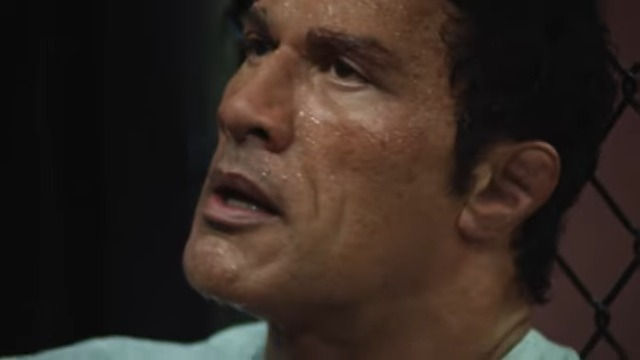
Some movies fail because they’re bad.
Others fail because the system around them fails.
The Smashing Machine belongs firmly in the second category. On paper, this film had everything: a transformative performance from Dwayne Johnson, a fearless director in Benny Safdie, festival prestige, awards buzz, and strong critical reviews.
And yet — it collapsed at the box office.
Let’s break down why The Smashing Machine flopped, why it’s actually a powerful and necessary film, and where you can stream it now if you missed it in theaters.
What Is The Smashing Machine About?
The film tells the harrowing true story of Mark Kerr, one of the most dominant and influential figures in early MMA history — and one of its most tragic.
Kerr is introduced at the height of his fame, calmly explaining his success in the UFC before heading into another fight. From there, the film fractures into memory, addiction, and emotional erosion.
Set primarily in 1999, Kerr lives with his girlfriend Dawn Staples (played by Emily Blunt) in a relationship defined by love, control, and instability. As Kerr trains and negotiates fights in Japan, he spirals deeper into substance abuse, emotional detachment, and violent self-destruction.
Despite moments of redemption — rehab, renewed discipline under legendary fighter Bas Rutten, and temporary reconciliation — Kerr’s personal life continues to collapse. His career peaks while his soul erodes.
The film closes not with triumph, but with quiet truth: Kerr becomes a pioneer of MMA history, mostly unknown, shopping for groceries like any other man — scars unseen, legacy uncelebrated.
It’s devastating. And honest.
Dwayne Johnson’s Best Performance — By Far
Let’s say this clearly: Dwayne Johnson has never been better.
This is not the invincible, charismatic Rock. This is a man hollowed out by addiction, pressure, and unresolved pain. Johnson doesn’t chase likability here — he chases truth.
His Mark Kerr is volatile, emotionally stunted, and deeply human. The physicality is impressive, but it’s the silence that hits hardest: the locker-room breakdowns, the vacant stares, the shame after victory.
His Golden Globe nomination wasn’t a courtesy nod. It was earned.
Emily Blunt, meanwhile, delivers one of her most uncomfortable performances as Dawn Staples — not a supportive biopic partner, but a flawed, destructive presence whose own demons collide violently with Kerr’s. Their scenes together feel intrusive in the best way — like watching something you shouldn’t be seeing.
Why The Smashing Machine Flopped at the Box Office
Despite strong reviews and awards recognition, the film grossed just $21 million worldwide against a $50 million budget. That’s not underperformance — that’s a bomb.
Here’s why it happened:
1. This Is Not a Crowd-Pleasing Sports Movie
Audiences expecting a Rocky-style underdog story were blindsided. There are no inspirational speeches, no rousing victories, no emotional payoff designed for applause.
This film actively resists comfort.
2. The Marketing Failed the Movie
The campaign leaned heavily on digital platforms and younger demographics, completely missing older audiences — the very group most likely to connect with a gritty, adult biographical drama.
A film this heavy needed slow-burn prestige marketing, not algorithm-driven hype.
3. MMA Is Still a Niche Draw
While MMA is globally popular, its pioneers are not mainstream celebrities. Mark Kerr’s story is revered within the sport — but largely unknown outside it.
That limited appeal hurt opening weekend turnout, which stalled at a weak $5.8 million.
4. A24 Took a Risk — and Paid the Price
Released by A24, the film embraced artistic control over commercial compromise. That’s admirable — but risky with a $50M budget.
This is an arthouse sports biopic. The audience for that is real, but small.
Why the Film Still Matters (and Always Will)
The Smashing Machine is important precisely because it refuses to mythologize its subject.
It shows the cost of masculinity without emotional literacy.
It exposes how early MMA chewed up its pioneers.
It rejects the lie that winning heals trauma.
Benny Safdie directs with restraint and cruelty in equal measure. The editing is jagged. The pacing is uncomfortable. The emotional beats land without warning.
This is not a film designed to succeed on opening weekend.
It’s a film designed to age well.
Festival Glory vs Box Office Reality
The irony is brutal.
The film premiered at the Venice International Film Festival, won the Silver Lion, and earned Golden Globe nominations for both Johnson and Blunt — all markers of prestige cinema.
And yet, none of that translated into ticket sales.
This is the modern paradox of serious filmmaking: critical acclaim no longer guarantees commercial survival.
Where to Watch The Smashing Machine Now
If you skipped it in theaters, now’s the time to fix that.
Streaming (Expected / Current): Available for digital rental and purchase on Apple TV, Amazon Prime Video, and other VOD platforms
Subscription Streaming: Expected to land on Max or Hulu following A24’s post-theatrical window
Physical Media: Blu-ray and DVD editions available in select regions
This is a film best watched at home, uninterrupted, with attention. It rewards patience.
Final Verdict: A Box Office Bomb, A Cinematic Win
⭐ Rating: 4.5/5
The Smashing Machine didn’t fail creatively — it failed commercially because it refused to lie.
It’s raw, uncompromising, and deeply human. Dwayne Johnson proves he belongs in serious dramatic conversations. Benny Safdie confirms that risk-taking cinema still exists, even if it doesn’t always survive opening weekend.
History will be kinder to this film than the box office ever was.


Comments